

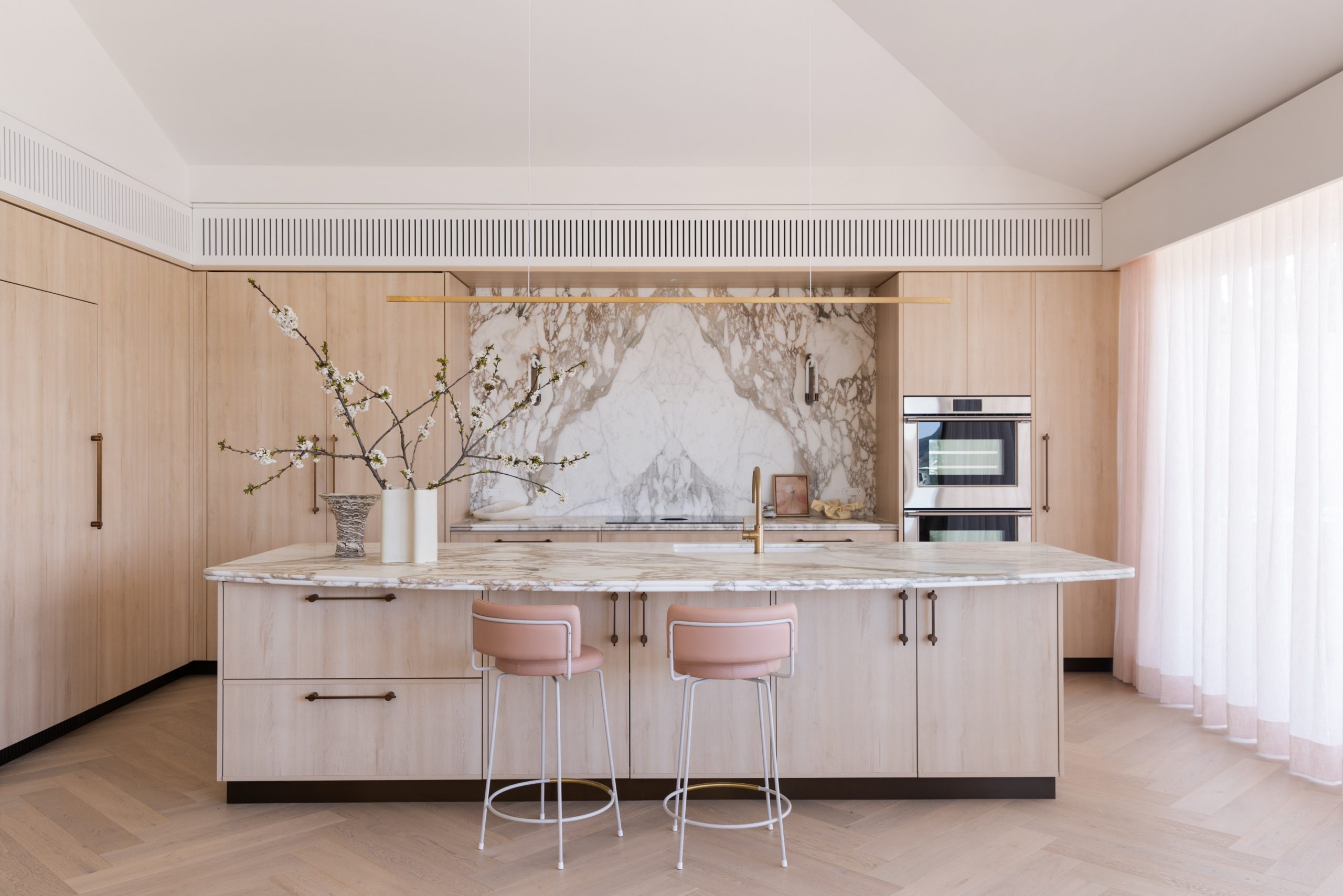
If you have ever embarked on a renovation or new build, you may have found yourself thinking, how hard can it really be? Choose some finishes, select furniture, perhaps move a wall or two.
And then reality sets in.
One of the most common conversations we have with clients is not about colour of cabinetry. It is about complexity. Interior design looks effortless when it is finished. The calm living room. The perfectly balanced kitchen. The seamless transition from indoor to outdoor entertaining.
But what you do not see is the hundreds of decisions behind it.
So what is the hardest part of interior design?
It is not choosing paint colours.
It is orchestrating every detail so that form, function, budget, timeline, architecture and personality align at the same time.
Let us take you inside the process.
Interior Design Is Strategy Before Styling
Many people assume the challenging part of design is the aesthetic layer. In truth, that is the most enjoyable phase.
The hardest part happens much earlier.
Interior design begins with understanding how you live. How your family moves through the home. Where clutter builds up. Where natural light shifts throughout the day. Where you entertain. Where you retreat.
The first challenge is solving these spatial puzzles in a way that respects the architecture and enhances everyday living.
At Woods and Warner, we approach every project with functionality first and beauty always. Because even the most beautifully decorated room cannot compensate for poor flow.
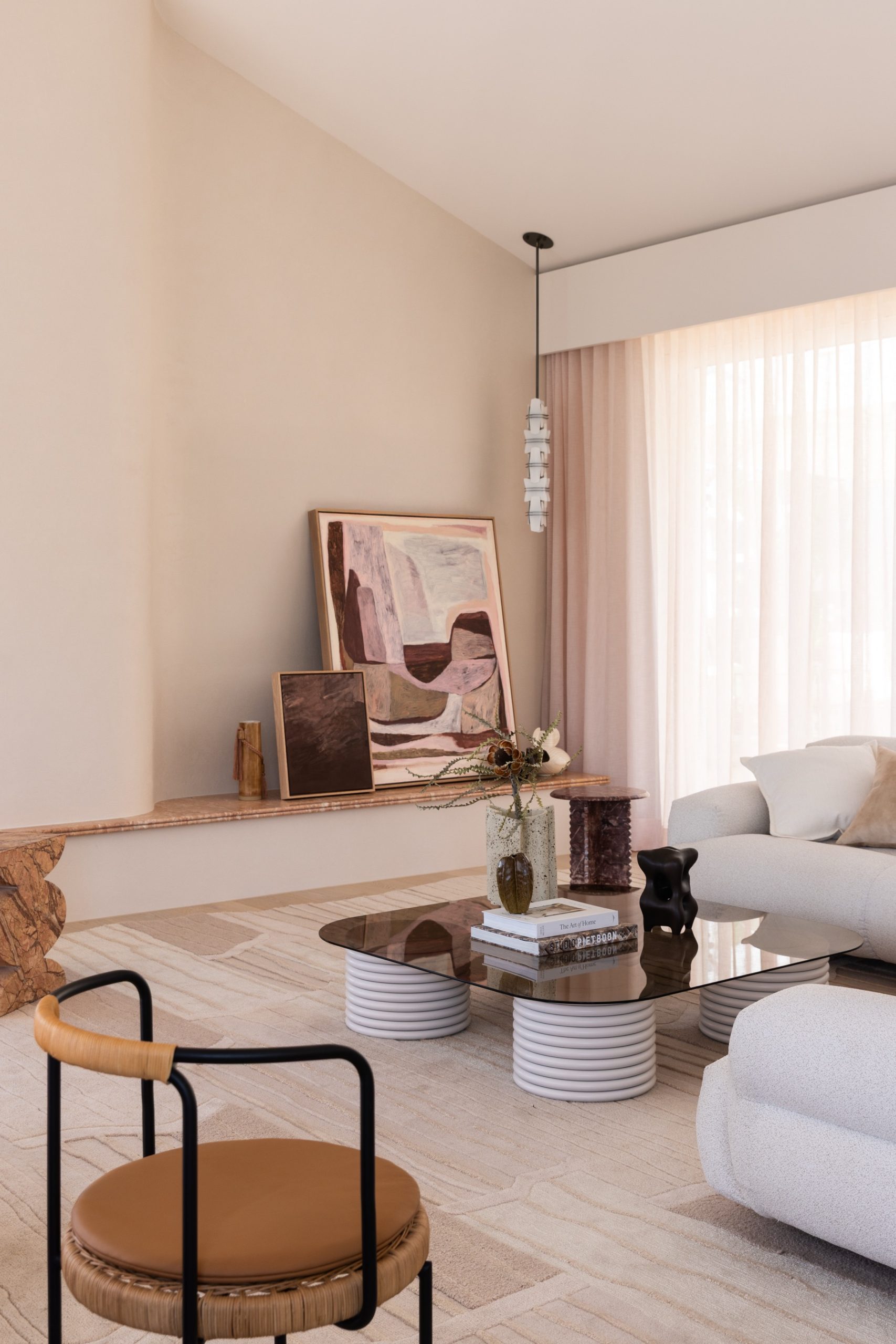
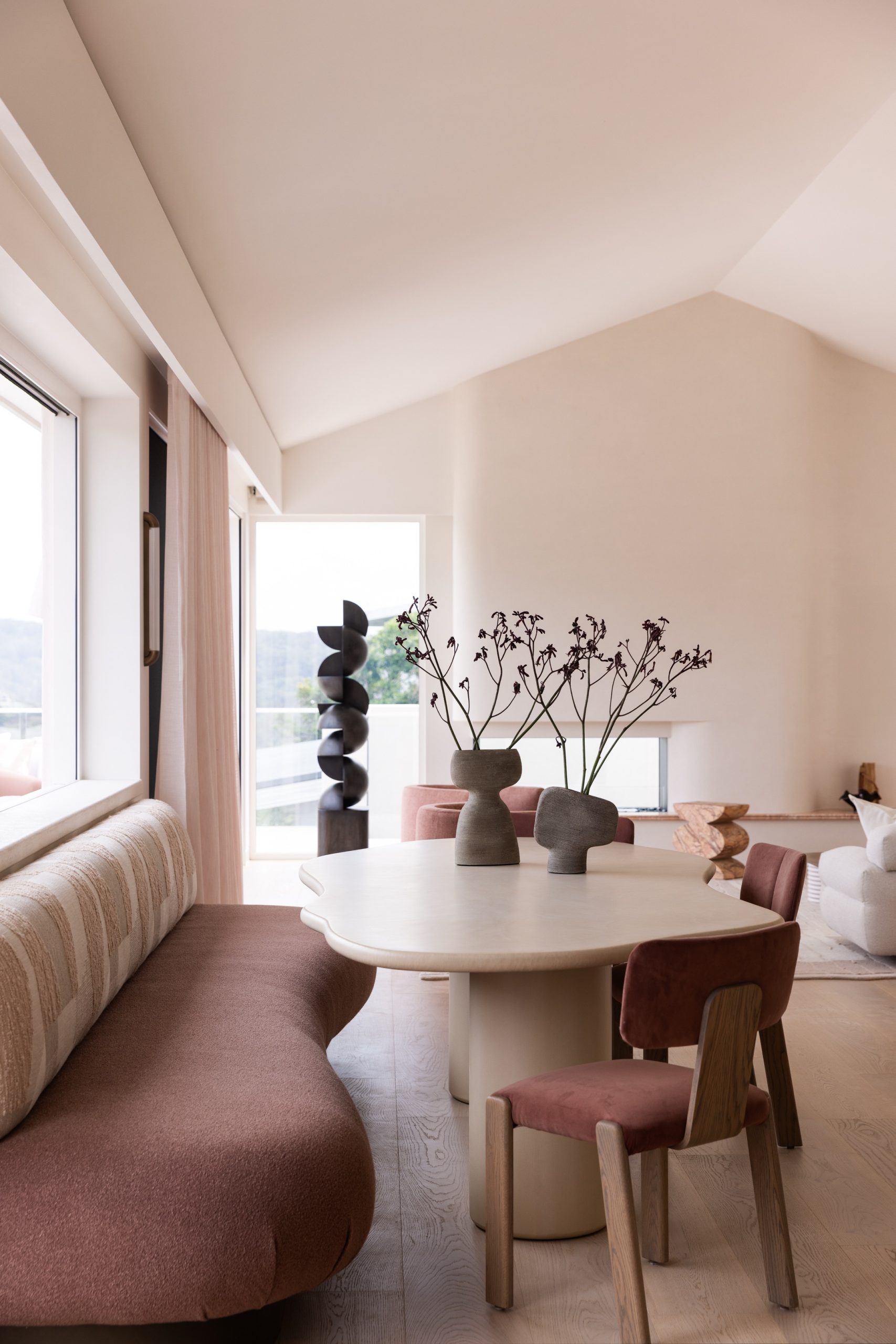
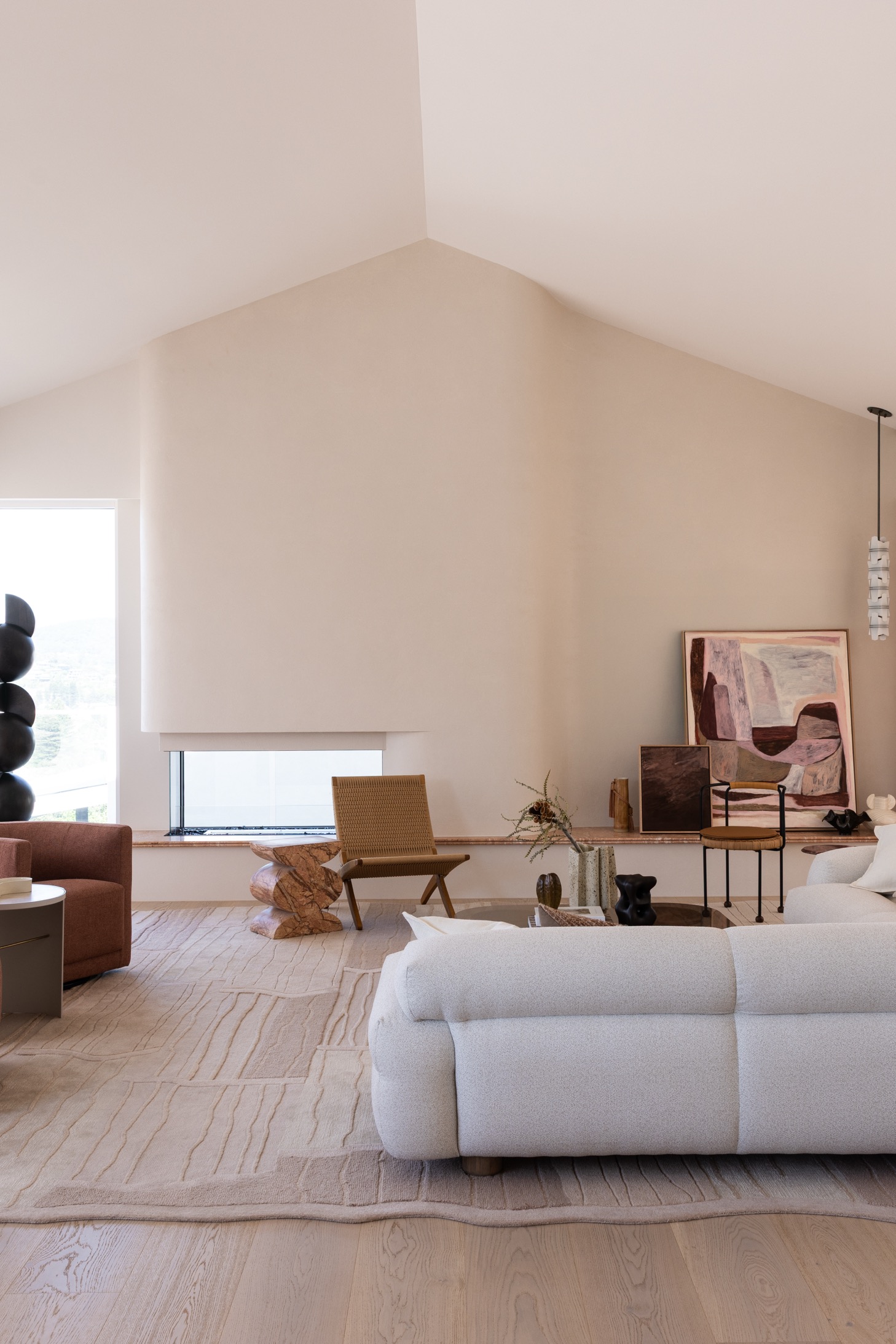
Balancing Vision With Practical Constraints
Interior design is a creative discipline, but it is also deeply technical.
There are building codes to consider. Structural limitations. Services and plumbing. Ceiling heights. Load-bearing walls. Window placements. Natural light.
Then there are budgets and timelines.
The hardest part of interior design is holding the creative vision steady while navigating these real-world constraints.
Design must be beautiful. It must also be buildable.
That balance requires experience.
Decision Fatigue Is Real
Another often overlooked challenge is the sheer volume of decisions involved.
A typical renovation can require hundreds of choices. Floor finishes. Wall treatments. Joinery profiles. Hardware finishes. Lighting temperatures. Tapware styles. Tile layouts. Appliance integration.
Each decision affects the next.
Without guidance, decision fatigue sets in quickly. Pinterest boards grow overwhelming. Showrooms blur together. Second-guessing creeps in.
Part of our role is to filter, refine and curate. Jacinta and Sonia often describe our process as editing. We remove noise so the core vision remains strong.
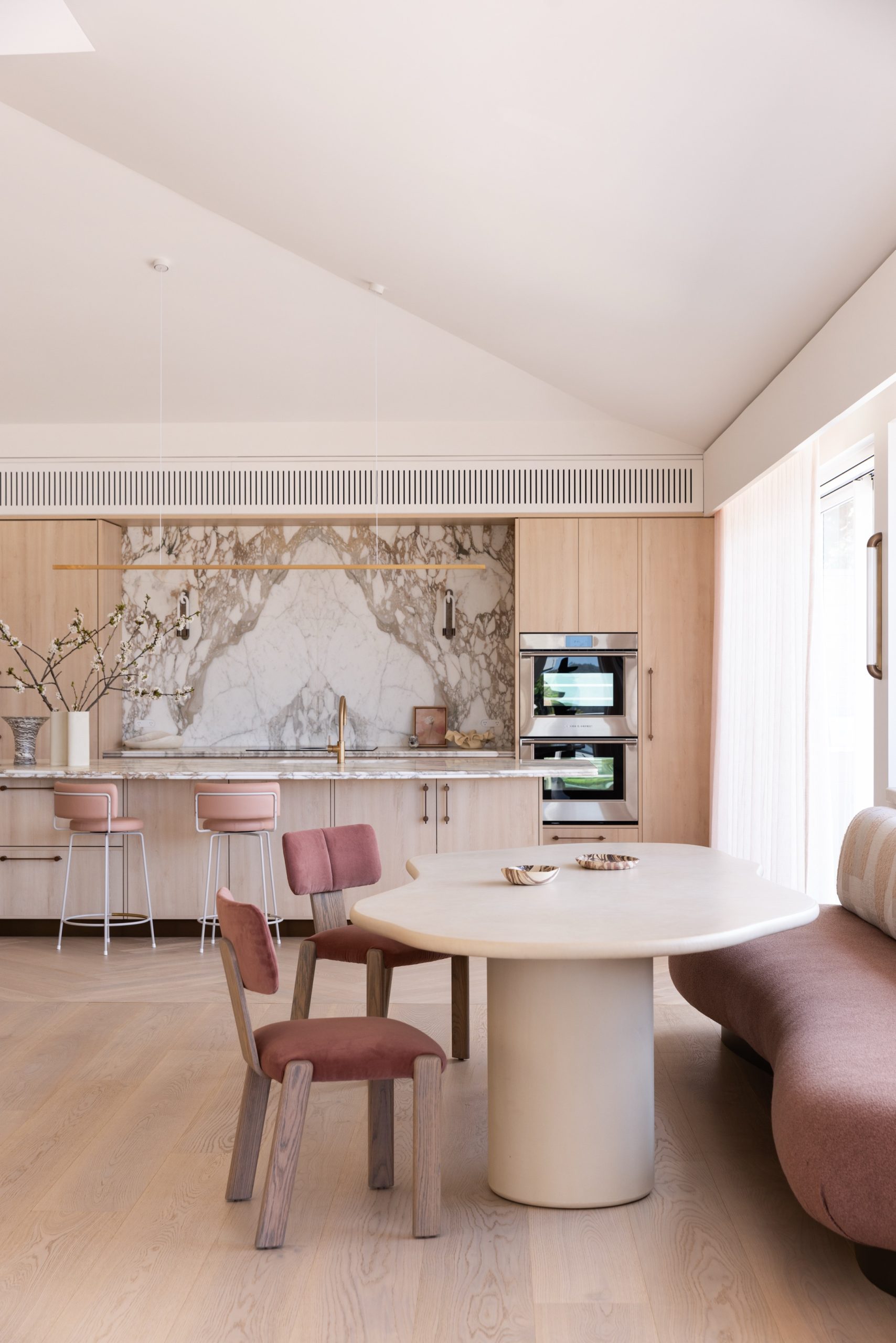
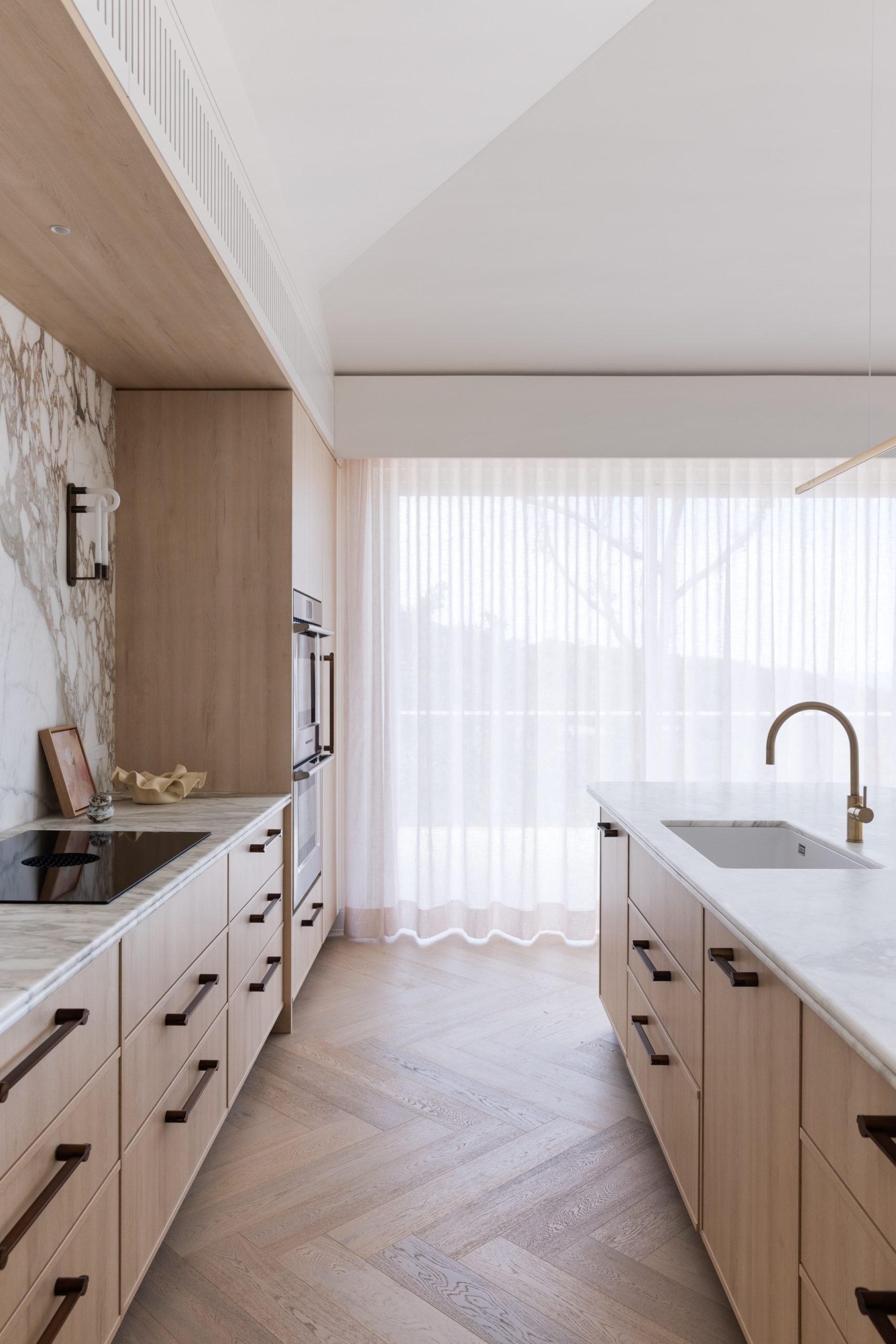
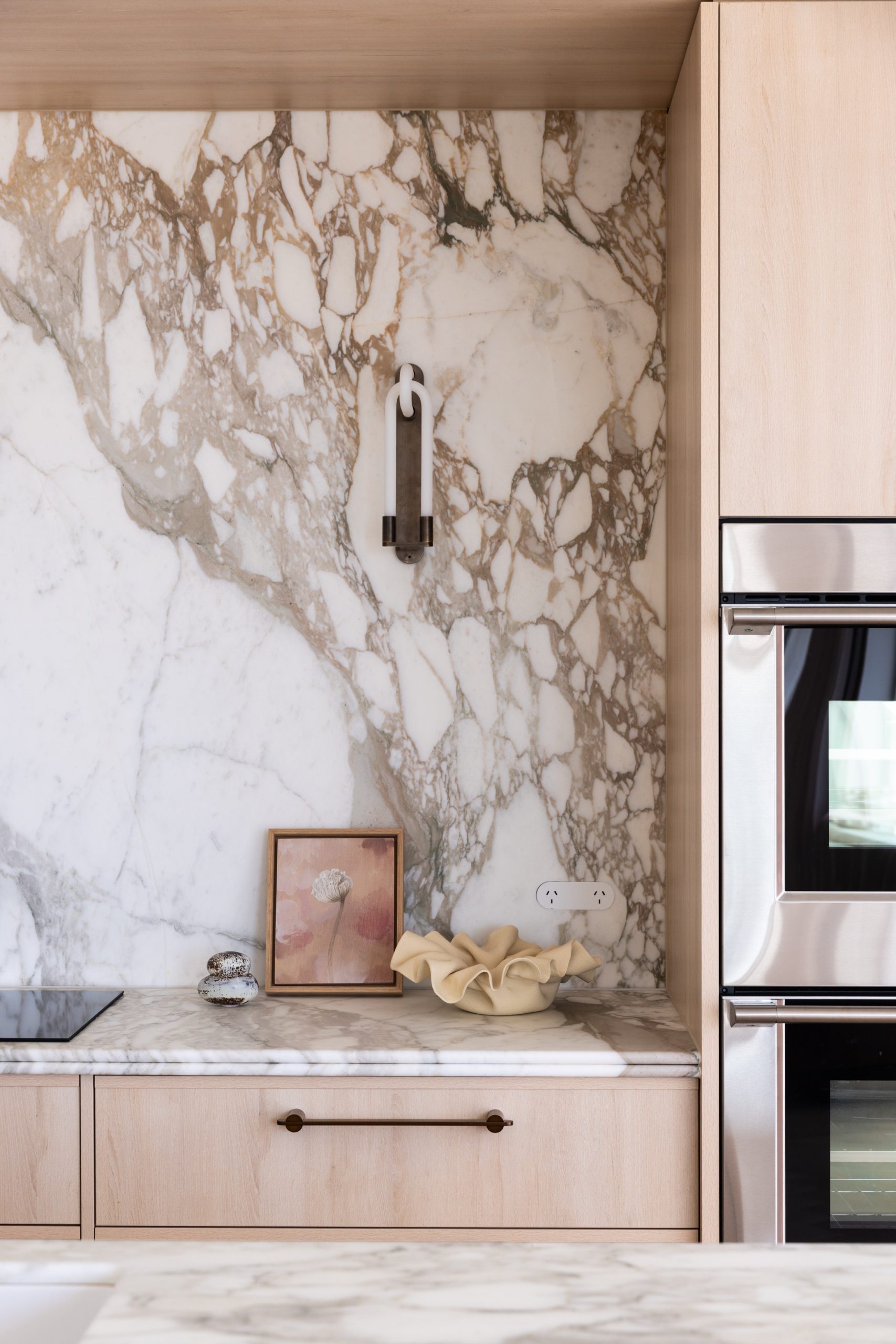
Managing Emotion and Expectation
Interior design is not just technical and creative. It is deeply personal.
Your home reflects your identity. Your aspirations. Your lifestyle. Your memories.
One of the hardest parts of the process is managing emotion. Renovations can be disruptive. Budgets can stretch. Timelines can shift.
Our role extends beyond design drawings and material selections. We become trusted advisors. We help clients navigate uncertainty. We protect the vision when outside pressures arise.
Because in the end, this is not about finishes. It is about how you will live in the space for years to come.
So What Is the Hardest Part of Interior Design?
It is integrating architecture, function, aesthetics, budget, timelines and personality into one cohesive outcome.
It is making hundreds of decisions feel seamless.
It is anticipating problems before they arise.
It is holding a clear vision from concept to completion.
At Woods and Warner, we embrace that complexity. Because when it is handled well, what remains is simplicity. Calm. Effortless beauty.